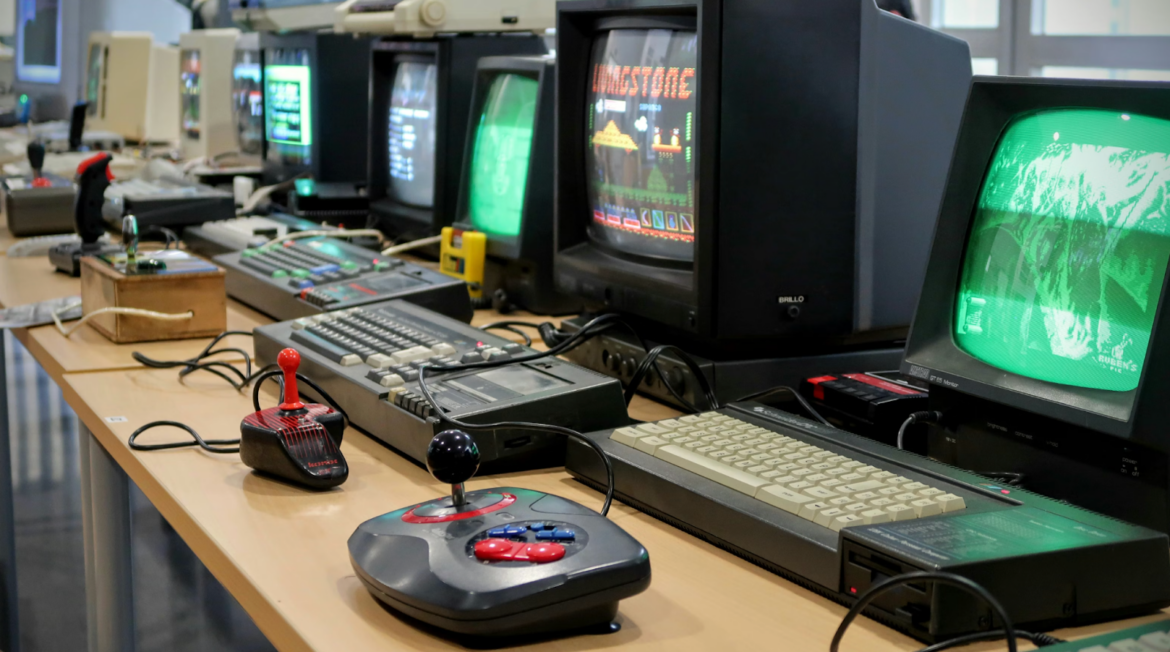
The modern social casino market did not emerge in isolation. Its mechanics, engagement strategies, and monetization models within the social casino market were heavily influenced by decades of innovation in computer games. As digital entertainment evolved from simple arcade experiences into highly immersive ecosystems, developers discovered powerful methods for attracting, retaining, and monetizing players. Social casino platforms adopted these tested principles and adapted them to casino-style gameplay without real-money wagering.
Today, social casino games represent one of the fastest-growing segments of the interactive entertainment industry. Their success is closely tied to the design frameworks pioneered in computer gaming, including reward loops, player progression systems, and sophisticated user interface design. Understanding how computer games shaped this market reveals why social casino platforms are so effective at engaging diverse audiences.
One of the most important contributions of computer games to the social casino sector is the creation of structured player engagement models. These models encourage consistent interaction, making gameplay accessible and rewarding even for casual players.
- Progressive reward systems that motivate continued play
- Achievement-based milestones encouraging long-term engagement
- Virtual economies built around in-game currencies
- Personalization features improving player experience
- Social interaction tools that increase retention
These foundational elements were first perfected in mainstream computer games before being integrated into social casino environments.
Evolution of Game Mechanics from Computer Games to Social Casino Platforms
Computer games introduced structured mechanics that allowed developers to balance challenge and entertainment. Features such as experience points, unlockable content, and dynamic difficulty adjustments helped players feel a sense of accomplishment. Social casino platforms adopted similar structures to keep users engaged while maintaining simplicity in gameplay.
Reward Systems and Player Retention
One of the most influential mechanics borrowed from computer games is the reward loop. In traditional video games, players receive rewards for completing missions or reaching milestones. Social casino platforms adapted this idea through daily bonuses, loyalty rewards, and level-based incentives.
These reward structures stimulate repeated engagement, encouraging players to return regularly. Instead of relying solely on chance, social casino experiences integrate progress-based rewards, increasing perceived value for players.
Gamification of Casino-Style Experiences
Gamification is a concept strongly associated with computer game design. Social casino developers use gamified elements such as missions, badges, and progression paths to create a sense of achievement beyond individual game sessions.
By transforming simple casino mechanics into layered experiences, developers increase both entertainment value and player retention. These features reduce the intimidation factor often associated with traditional gambling environments, making social casino platforms more accessible to wider audiences.
The Role of Free-to-Play Models in Market Expansion
Computer games played a central role in popularizing the free-to-play monetization model. Instead of requiring upfront payment, developers began offering games at no cost while generating revenue through optional in-game purchases.
Social casino platforms quickly adopted this approach, allowing users to participate without financial risk. Players can access entertainment freely while choosing whether to purchase virtual chips, cosmetic items, or additional features.
Microtransactions and Virtual Currency Systems
Virtual economies are another major contribution of computer games to the social casino market. By implementing digital currencies, developers created flexible monetization structures that encourage voluntary spending.
Players often perceive microtransactions as part of personalization rather than mandatory payments. This approach increases user satisfaction while providing sustainable revenue streams for developers.
Key Benefits of Free-to-Play Integration
• Lower entry barriers attract broader audiences
• Flexible spending options accommodate different player preferences
• Continuous content updates maintain long-term interest
• Personalization features increase emotional investment
These advantages demonstrate why monetization strategies from computer games are highly effective in social casino environments.
Technology Advancements Driven by Computer Games

Technological progress in computer games has significantly influenced the development of social casino platforms. Improvements in graphics engines, artificial intelligence, and mobile optimization have made casino-style games more immersive and visually appealing.
Advanced animation and interactive interfaces enhance player experience by making games intuitive and visually engaging. Computer game development also accelerated cross-platform compatibility, allowing social casino titles to function seamlessly across desktop and mobile devices.
Mobile Gaming as a Growth Catalyst
Mobile gaming revolutionized access to digital entertainment. Computer games optimized for smartphones demonstrated how intuitive touch controls and simplified interfaces could attract large audiences.
Social casino platforms benefit from the same mobile-first approach. Players can engage in short sessions during breaks or commutes, making gameplay convenient and highly accessible.
Social Features Adapted from Multiplayer Computer Games
Multiplayer computer games introduced communication tools that transformed gaming into a social activity. Chat systems, friend lists, and cooperative challenges increased player interaction and fostered communities.
Social casino platforms adopted these features to strengthen user engagement. Leaderboards, tournaments, and shared achievements create friendly competition, encouraging players to remain active over longer periods.
Community-Based Engagement
Players are more likely to return when they feel connected to a community. Social casino platforms leverage this principle by integrating gifting systems, collaborative events, and group challenges.
These social elements transform individual gameplay into shared experiences, increasing emotional connection to the platform.
Comparison of Key Elements Borrowed from Computer Games
| Element from Computer Games | Application in Social Casino Market | Impact on Players |
| Progression systems | Level-based rewards and bonuses | Encourages long-term engagement |
| Virtual currencies | Chips, tokens, loyalty points | Creates flexible monetization |
| Multiplayer features | Tournaments and leaderboards | Builds social interaction |
| Personalization options | Avatars, themes, game settings | Enhances user satisfaction |
| Live content updates | Seasonal events and challenges | Maintains ongoing interest |
Future Synergies Between Computer Games and Social Casino Platforms
As technology continues to evolve, the relationship between computer games and the social casino market will likely grow stronger. Innovations such as artificial intelligence personalization, augmented reality interfaces, and adaptive gameplay mechanics are already influencing both sectors.
Developers increasingly rely on data-driven insights to refine user experience, mirroring practices first implemented in computer games. Personalized recommendations and dynamic difficulty adjustments improve player satisfaction while increasing retention rates.
Long-Term Market Implications
The social casino market continues to expand by leveraging tested concepts from computer games. Developers benefit from established design frameworks while players enjoy engaging and accessible experiences.
The logical connection between these industries demonstrates how innovation in one digital entertainment sector can drive growth in another. As new technologies emerge, computer games will likely remain a key influence shaping the future of social casino platforms.